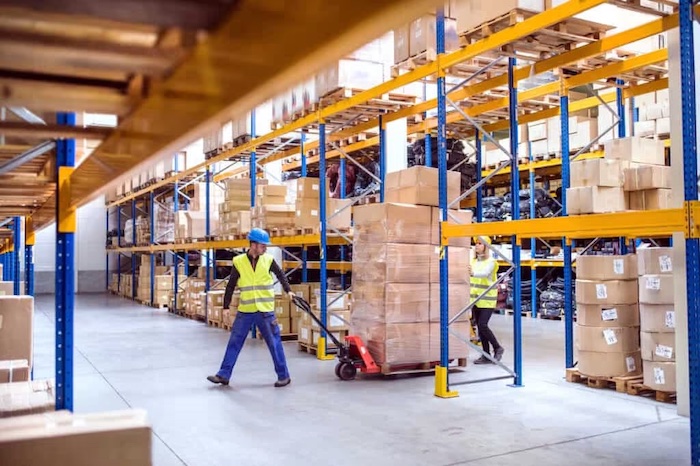
Warehouse jobs are some of the easiest US positions to get hired into fast, and they pay better than most people think. Hourly rates start around $16 and go past $25 with the right shift, with no degree required at any company. Below you’ll see the latest warehouse job offers, plus what you’ll actually earn, what the shift really looks like, and how to get your first interview lined up in days, not weeks.
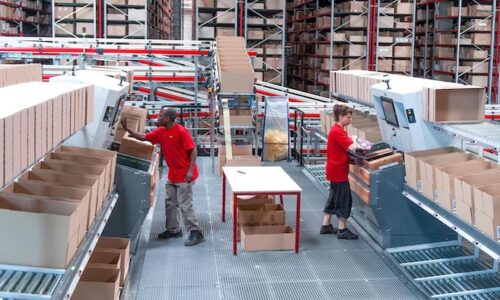





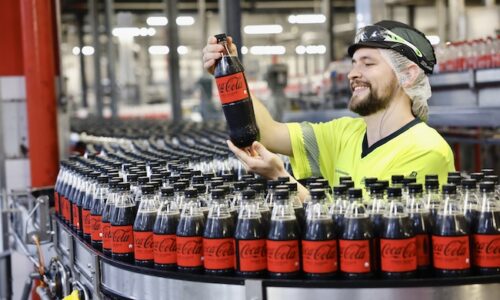

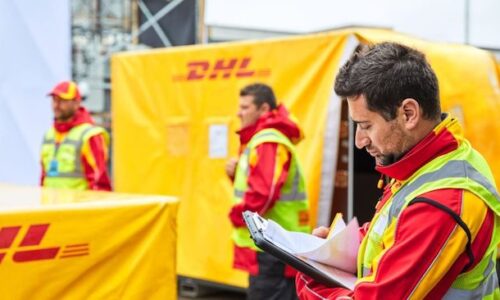
What warehouse jobs really pay by company
Hourly pay varies a lot by employer, even for the same role. These are realistic starting rates for warehouse jobs in the US, plus the perks that make some offers worth more than the base wage suggests:
💡 Shift differential tip: Most warehouses pay an extra $1 to $3 per hour for night shifts and another $0.50 to $2 for weekends. A «$18 per hour» warehouse job on overnight weekends can quickly land at $22 to $23 per hour without negotiating anything.
Where warehouse pay is highest right now
Location matters as much as the employer. Warehouse hubs near major ports and e-commerce distribution centers tend to pay 20% to 35% above the national average because they compete for the same labor pool. The cities below consistently post the highest warehouse job offers in the country:
$20 to $26 per hour. Largest warehouse cluster in the country.
$17 to $22 per hour. FedEx World Hub, heavy night-shift demand.
$18 to $24 per hour. Major distribution corridor.
$17 to $23 per hour. Growing fast on the e-commerce side.
$18 to $24 per hour. Serves the Northeast in one day.
$17 to $22 per hour. Southeast distribution gateway.
What a typical warehouse shift actually looks like
Job ads tend to sugarcoat the day-to-day. Here’s the honest version, so there are no surprises after you sign:
8 to 10 hours per shift, with two short breaks and a 30-minute lunch.
8 to 15 miles a day, depending on the warehouse layout and your role.
Most roles require lifting up to 50 lbs repeatedly. Some go up to 75 lbs.
4×10 (four 10-hour days), 3×12 weekends, or standard 5×8 day shifts.
Most sites track picks or scans per hour. Falling 15% below average for two weeks usually triggers a coaching conversation.
Steel-toe boots, gloves, and a high-visibility vest. Most employers reimburse the boots after 90 days.
⚠️ Watch out for: Lower back strain and rotator cuff injuries are the two most common warehouse claims. Lift with your legs, take the stretch breaks seriously, and rotate which arm carries heavy items. Employers track injury rates closely and will protect workers who follow safety rules.
How to get hired in under a week
Warehouse hiring moves faster than any other category. If you’re free for an interview tomorrow, you can realistically have an offer in hand within 5 to 7 days. The fastest paths:
The career ladder past entry level
Most people picture warehouse work as a dead-end gig, which is a misconception. Internal promotion is one of the strongest features of this industry. A realistic path:
The path is faster than most desk jobs because internal moves don’t require external recruiting, and most companies prefer to promote people who already know the operation. Show up consistently, pick up a forklift certification, and ask for added responsibilities. That alone gets most associates to team lead in under a year.